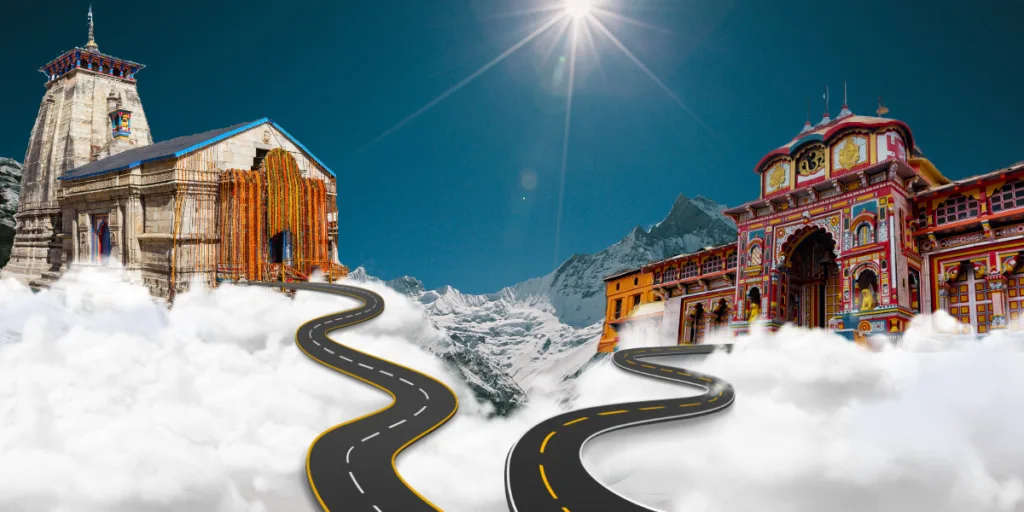
A divine journey to two of the holiest shrines - Kedarnath (Lord Shiva) and Badrinath (Lord Vishnu) in the sacred Himalayas
The Two Dham Yatra is a sacred pilgrimage that takes devotees to two of the most revered shrines in Hinduism - Kedarnath (dedicated to Lord Shiva) and Badrinath (dedicated to Lord Vishnu). This divine journey through the Garhwal Himalayas offers a unique opportunity to seek blessings from both deities in a single spiritual expedition. Kedarnath, located at 11,755 feet, is one of the twelve Jyotirlingas, while Badrinath, at 10,170 feet, is one of the 108 Divya Desams and part of the Char Dham circuit.
The journey begins with the challenging 16 km trek to Kedarnath from Gaurikund, passing through scenic mountain trails and dense forests. After seeking blessings at Kedarnath, the pilgrimage continues to Badrinath via Joshimath, where devotees can visit the sacred temple dedicated to Lord Vishnu. The route offers breathtaking views of snow-capped peaks, pristine rivers, and serene landscapes. This combined pilgrimage is considered highly auspicious and is believed to bring spiritual purification and divine blessings. Join us for this transformative journey that combines devotion, adventure, and natural beauty.
Arrive at Rishikesh or Haridwar railway station. Meet our representative and drive to Guptkashi (4,330 ft) via Rishikesh, Devprayag, Srinagar, and Rudraprayag. Distance: 205–210 km | Duration: 7–9 hrs. The route follows the Ganges and Mandakini rivers. Guptkashi is the base before the Kedarnath trek. Check into hotel and rest. Overnight stay in Guptkashi.
Early morning drive to Sonprayag (30 km), then shared taxi to Gaurikund (5 km). From Gaurikund (6,500 ft), begin the trek to Kedarnath (11,755 ft). Distance: 16 km | Duration: 6–8 hrs. The trail passes through Jungle Chatti, Bheembali, and Linchauli with views of the Mandakini River. Pony and palanquin services are available. Evening darshan at Kedarnath Temple. Overnight stay in Kedarnath.
Early morning darshan and puja at Kedarnath Temple. After breakfast, trek back to Gaurikund (16 km, 5–6 hrs). Drive to Joshimath (6,150 ft) via Rudraprayag and Chamoli. Distance: approx. 180 km | Duration: 6–8 hrs. Joshimath is the winter abode of Lord Badrinath. Check into hotel and rest. Overnight stay in Joshimath.
Early morning drive to Badrinath (10,170 ft). Distance: 45 km | Duration: 2–3 hrs. The road runs along the Alaknanda River. Check into hotel. Visit Badrinath Temple (one of the 108 Divya Desams). Take a holy bath at Tapt Kund before darshan. Evening aarti at the temple. Overnight stay in Badrinath.
Early morning darshan at Badrinath Temple. After breakfast, visit Mana Village (last village of India), Vyas Gufa, Ganesh Gufa, and Mata Murti Temple. Drive back to Rishikesh or Haridwar. Distance: 320 km | Duration: 11–12 hrs. The journey ends with blessings from both Kedarnath and Badrinath.
Age: 8 to 70 years
Moderate physical fitness required
Pony/Palanquin available for elderly
No major health issues
Ability to walk 16 km (Kedarnath trek with breaks)
Spiritual devotion and determination
Start physical training at least 1 month before the yatra. Include regular walking, stair climbing, and light cardio exercises. The Kedarnath trek is moderate but requires stamina for the 18 km journey. Badrinath is accessible by road, making it easier for elderly devotees.
Spend a night in Guptkashi before starting the trek to acclimatize. Stay hydrated throughout the journey. If you experience altitude sickness symptoms, inform your guide immediately.
Best time: May to June and September to October. The temple opens on Akshaya Tritiya (usually in April/May) and closes on Kartik Purnima (usually in October/November). Avoid monsoon months (July-August) due to heavy rainfall and landslides.
Always follow the guide's instructions. Start the trek early in the morning. Carry sufficient water and snacks. Use walking sticks for support. Weather can change quickly, so be prepared.
Maintain silence and respect in the temple premises. Follow temple dress code (modest clothing). Remove shoes before entering the temple. Photography may be restricted in certain areas.

The best time for Two Dham Yatra is from May to June and September to October. Both temples open on Akshaya Tritiya (usually in April/May) and close on Kartik Purnima (usually in October/November). Avoid monsoon months (July-August) due to heavy rainfall, landslides, and difficult road conditions.
The Two Dham Yatra is graded as Moderate. It involves a 16 km trek to Kedarnath from Gaurikund at an altitude of 11,755 ft, followed by a road journey to Badrinath at 10,170 ft. While the Kedarnath trek is challenging, it's manageable with proper preparation. Badrinath is accessible by road, making it easier for elderly devotees. Pony and palanquin services are available for the Kedarnath trek.
Kedarnath is one of the twelve Jyotirlingas dedicated to Lord Shiva, while Badrinath is one of the 108 Divya Desams dedicated to Lord Vishnu. Visiting both temples in a single journey is considered highly auspicious as it allows devotees to seek blessings from both major deities. This combination is believed to bring spiritual purification, divine blessings, and fulfillment of wishes.
The package includes accommodation in hotels at Guptkashi, Kedarnath, Joshimath, and Badrinath, all meals (breakfast, lunch, dinner), transportation from Rishikesh/Haridwar and between all destinations, experienced guide, assistance for temple darshan at both temples, and basic first aid. Pony/palanquin charges, helicopter tickets, and personal expenses are usually not included.
Yes, Badrinath is fully accessible by road from Joshimath (approximately 45 km). Unlike Kedarnath, there is no trekking required to reach Badrinath Temple. The road is well-maintained and suitable for all age groups. This makes Badrinath more accessible for elderly devotees and those who cannot undertake the Kedarnath trek.
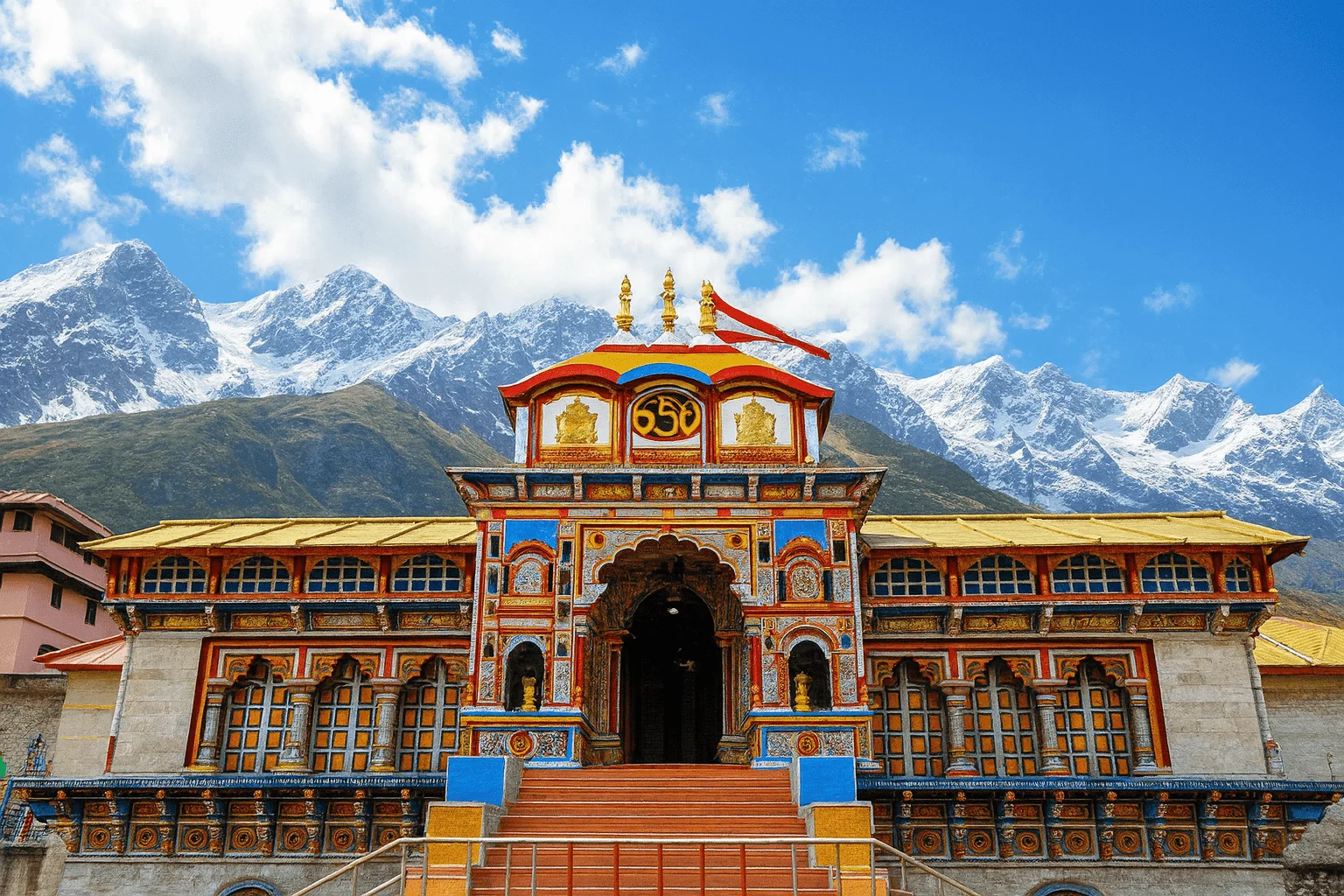
Kedarnath · Spiritual Journey

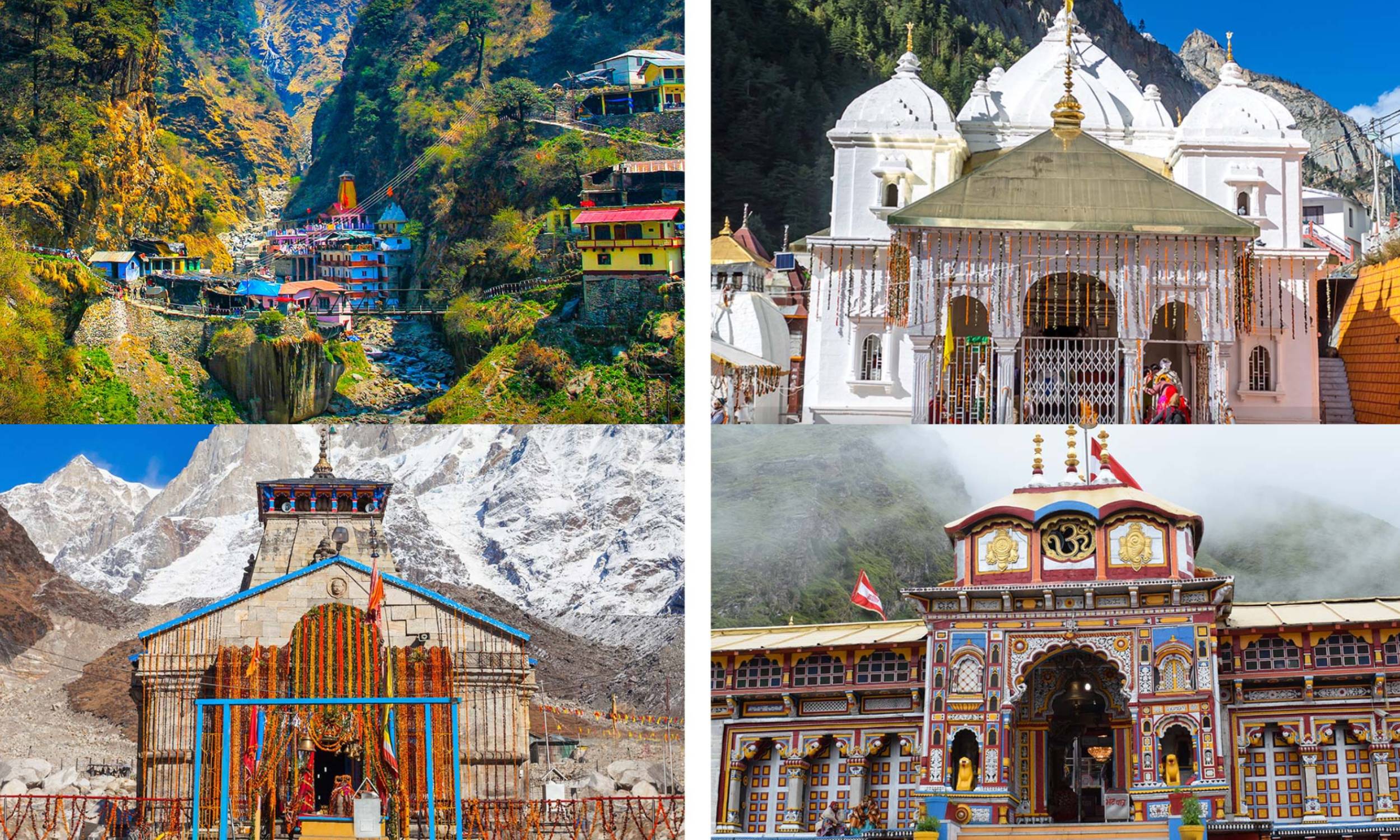
Kedarnath · Badrinath · Gangotri · Yamunotri
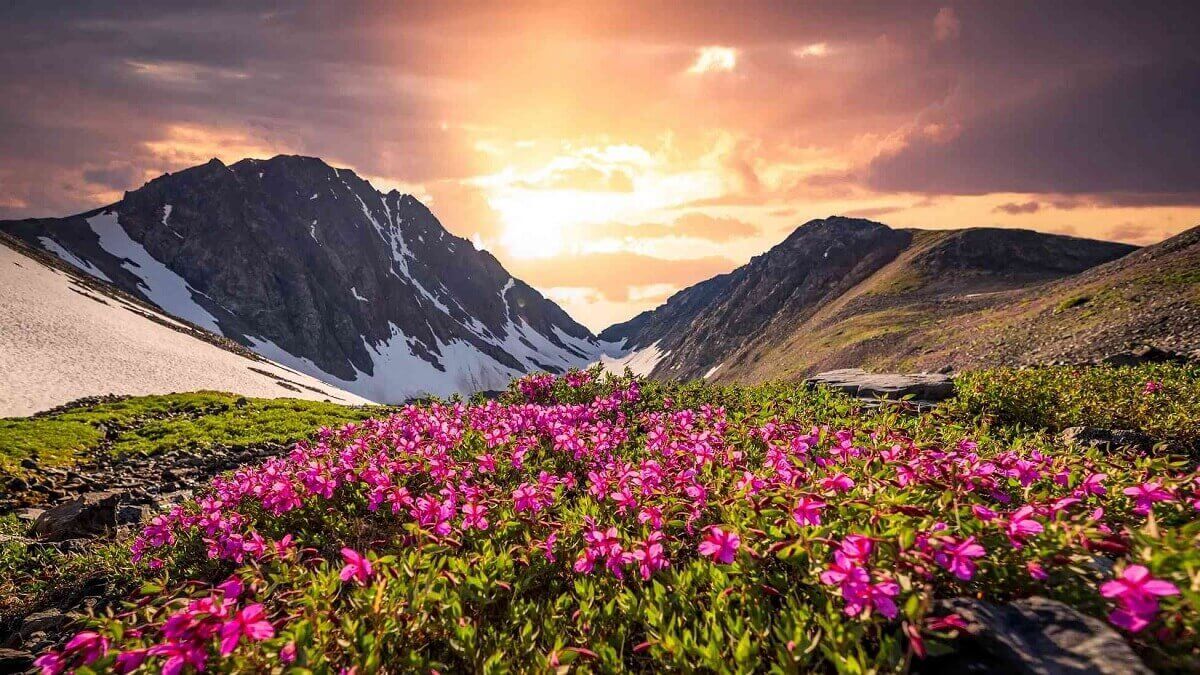
Valley of Flowers · Hemkund Sahib