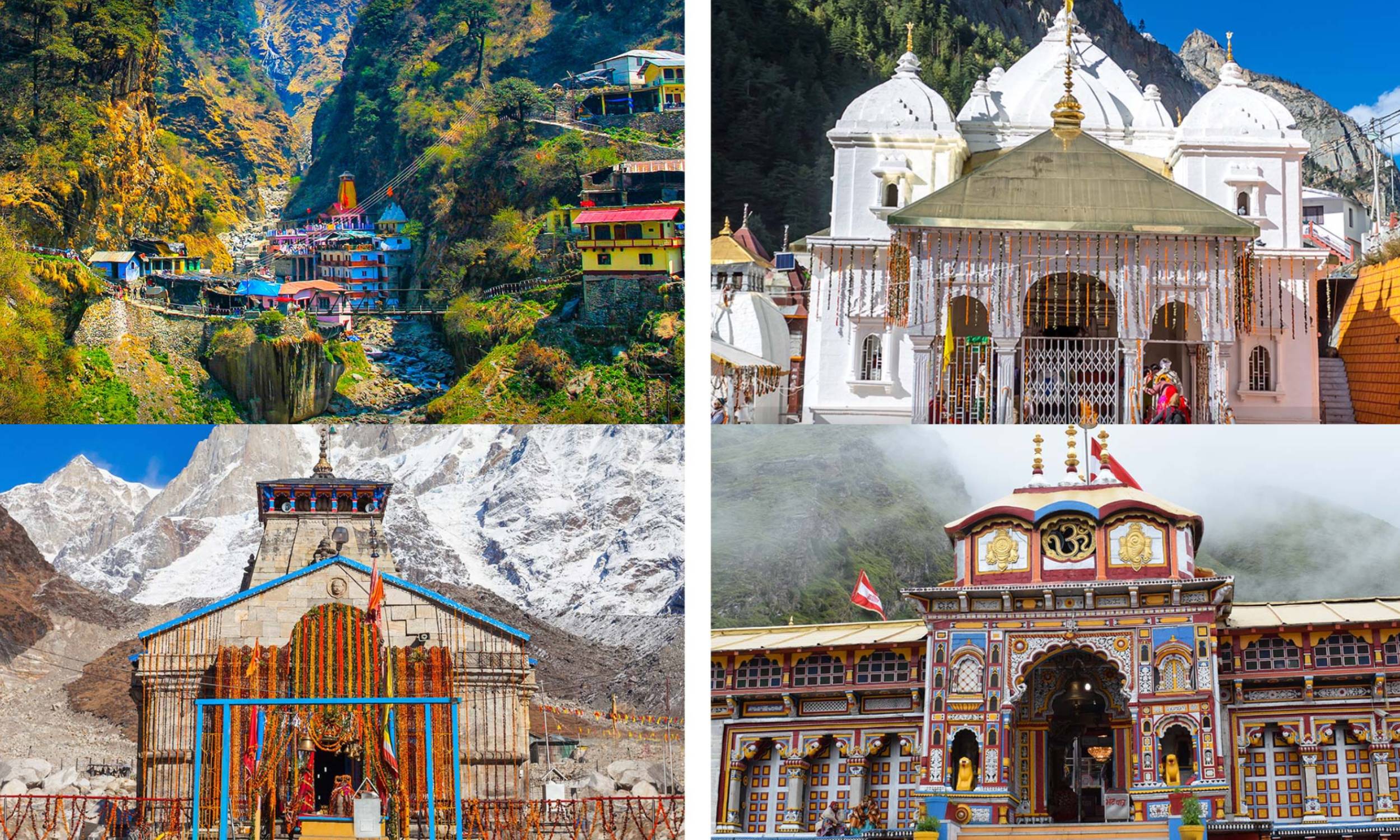
The ultimate spiritual journey to all four sacred shrines - Yamunotri, Gangotri, Kedarnaexclth, and Badrinath - completing the most revered pilgrimage circuit in Hinduism
The sacred Char Dham Yatra starts from Haridwar with a scenic drive to Yamunotri. From there, we travel to Uttarkashi, then head to Gangotri, and continue to Guptkashi. Next comes the trek to Kedarnath to seek Lord Shiva's blessings before returning to Guptkashi. A drive to Badrinath follows, and we complete the 10-day journey in Haridwar.
This route weaves through the Garhwal Himalayas and connects Yamunotri, Gangotri, Kedarnath, and Badrinath in the traditional order. It blends spiritual devotion with mountain landscapes and offers a complete Char Dham circuit experience.
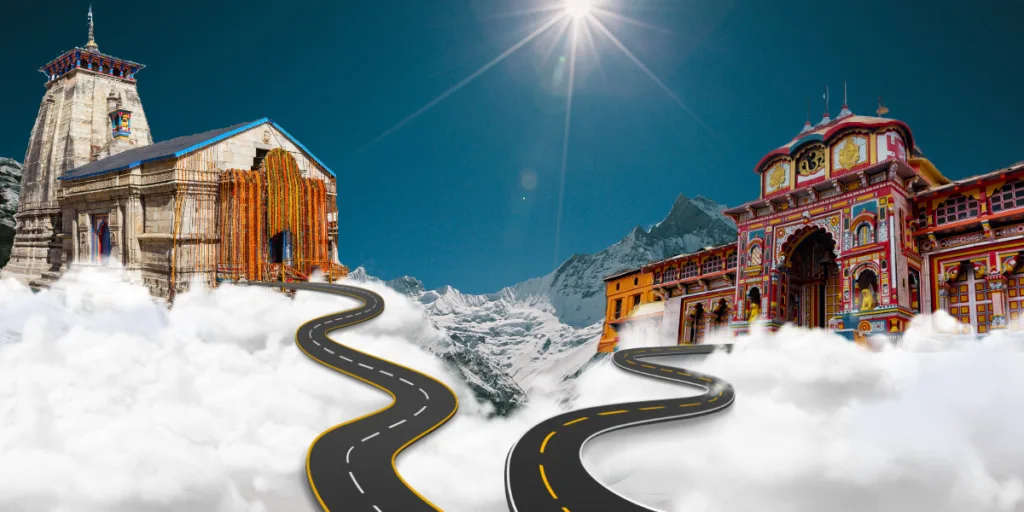
Haridwar - Barkot - Yamunotri - Barkot - Uttarkashi - Gangotri - Guptkashi - Kedarnath - Badrinath - Rudraprayag - Haridwar
Arrival at Haridwar and drive to Barkot. Altitude (Barkot): 1,220 m. Distance: 210 km | Duration: 7-8 hrs. The route goes via Mussoorie and Kempty Falls. Reach Barkot by evening and rest amid apple orchards and views of Bandar Poonch.
Drive to Jankichatti/Phoolchatti (approx. 36 km) and trek 6 km to Yamunotri (3,293 m). The trail passes lush valleys, conifers, rhododendrons, and shrubs. Visit Surya Kund, Divya Shila, and Yamunotri Temple. Return to Barkot after darshan.
Drive to Uttarkashi (Altitude: 1,352 m). Distance: 90 km | Duration: 4 hrs. Uttarkashi is a spiritual and adventure hub on the Bhagirathi River. Visit the Vishwanath Temple and explore the town.
Drive to Gangotri (Altitude: 3,048 m). Distance: 100 km. Enroute, take a holy dip at Garam Kund in Gangnani. Visit Gangotri Temple and see the Bhagirathi (Ganga) and the submerged Shivling (visible in winter). Return to Uttarkashi.
Drive to Guptkashi (Altitude: 1,319 m). Distance: 220 km | Duration: 8-9 hrs via Moolgarh and Lambgaon. Visit the ArdhNarishwar Temple. Guptkashi is known as the hidden Varanasi of the North. Overnight stay at hotel.
Drive to Gaurikund (30 km) and trek 16 km to Kedarnath (Altitude: 3,553 m). Kedarnath is one of the 12 Jyotirlingas and part of the Panch Kedar. Reach Kedarnath and seek Lord Shiva's blessings.
Early morning temple visit (around 4:45 am). Everyone can enter the Garbha Griha. Trek down to Sonprayag and drive back to Guptkashi. Check in to hotel and rest.
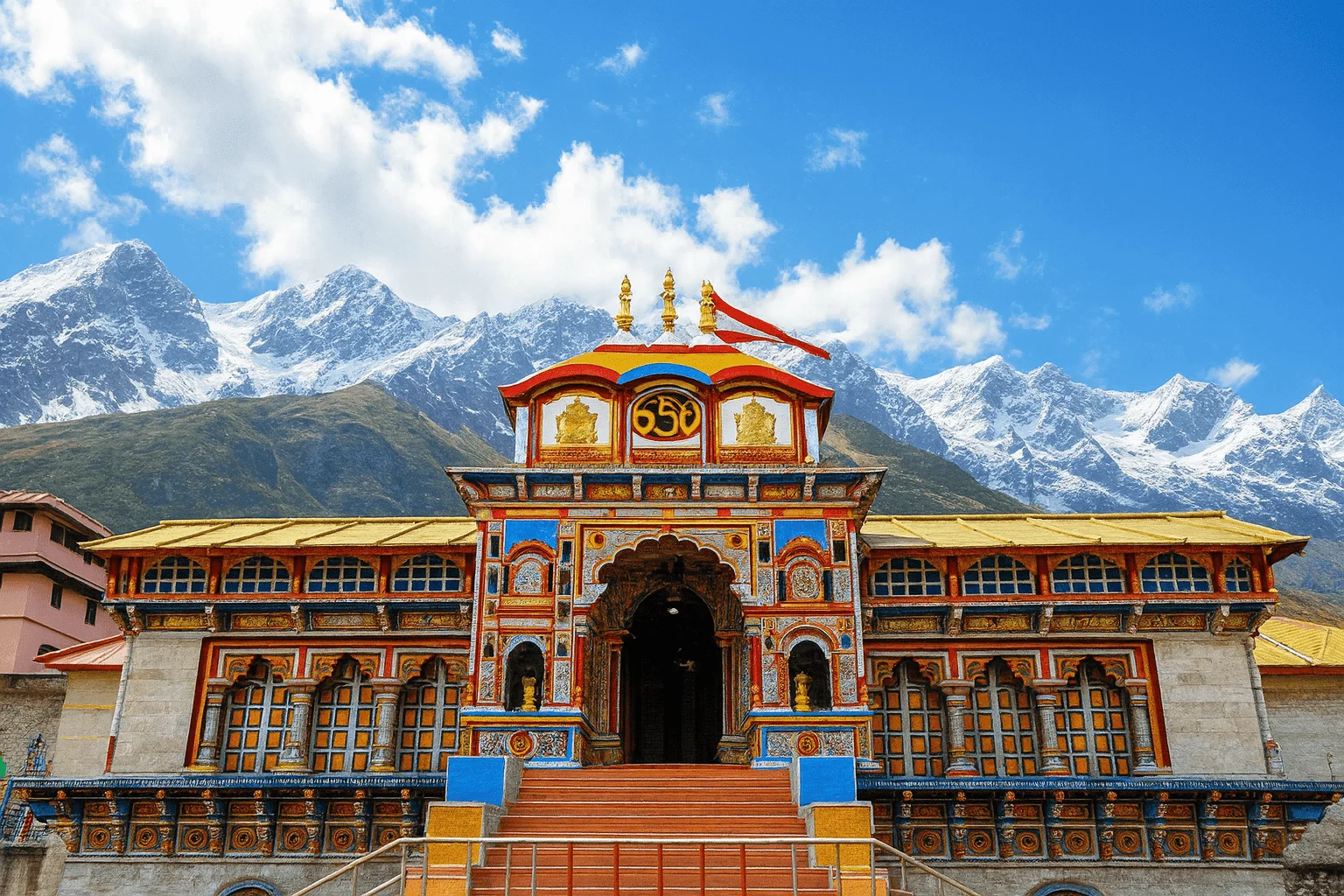
Drive to Badrinath (Altitude: 3,133 m). Distance: 215 km | Duration: 7 hrs via Joshimath. Visit Tapt Kund, Narad Kund, Brahma Kapal, Sheshnetra, Charan Paduka, and Mana Village (Bhim Pul, Vyas Gufa). Badrinath is guarded by Nar and Narayan mountains.
Start the return journey. Take a quick bath at Tapt Kund, and if missed earlier, cover Mana Village sights. Drive to Rudraprayag via Joshimath. Rudraprayag is the sacred confluence of Alaknanda and Mandakini rivers.
Drive to Rishikesh/Haridwar (Distance: 160 km | Duration: 5 hrs). Major attractions include Beatles Ashram, Triveni Ghat, Laxman Jhula, and Ram Jhula. The journey concludes with divine blessings.
Age: 8 to 70 years
Moderate physical fitness required
Pony/Palanquin available for elderly
No major health issues
Ability to walk 18 km (Kedarnath trek) and 6 km (Yamunotri trek)
Spiritual devotion and determination
Start physical training at least 2 months before the yatra. Include regular walking (10-15 km daily), stair climbing, and light cardio exercises. The journey involves two treks: Yamunotri (6 km) and Kedarnath (18 km). Build stamina gradually and maintain good health throughout the 12-day journey.
Spend adequate time at each destination to acclimatize to varying altitudes. The journey covers altitudes from 2,050 ft to 11,755 ft. Stay hydrated throughout, avoid alcohol, and take rest when needed. If you experience altitude sickness symptoms (headache, nausea, dizziness), inform your guide immediately and rest at lower altitudes.
Best time: May to June and September to October. All four temples open on Akshaya Tritiya (usually in April/May) and close on Kartik Purnima (usually in October/November). Avoid monsoon months (July-August) due to heavy rainfall, landslides, and difficult road conditions. The weather is pleasant during May-June and September-October, making it ideal for the complete journey.
Always follow the guide's instructions. Start the trek early in the morning. Carry sufficient water and snacks. Use walking sticks for support. Weather can change quickly, so be prepared.
Maintain silence and respect in the temple premises. Follow temple dress code (modest clothing). Remove shoes before entering the temple. Photography may be restricted in certain areas.

The best time for Char Dham Yatra is from May to June and September to October. All four temples open on Akshaya Tritiya (usually in April/May) and close on Kartik Purnima (usually in October/November). Avoid monsoon months (July-August) due to heavy rainfall, landslides, and difficult road conditions. The weather is pleasant during May-June and September-October, making it ideal for the complete journey.
The Char Dham Yatra is graded as Moderate to Challenging. It involves two treks: Yamunotri (6 km) and Kedarnath (18 km). Gangotri and Badrinath are accessible by road. The journey covers approximately 1,600 km over 12 days, with varying altitudes from 2,050 ft to 11,755 ft. While physically demanding, it's manageable with proper preparation, adequate rest, and hydration. Pony and palanquin services are available for the treks.
Completing the Char Dham Yatra is considered the ultimate pilgrimage in Hinduism. It is believed to wash away all sins, bring spiritual purification, and lead to moksha (liberation). Each Dham represents a different aspect: Yamunotri (Goddess Yamuna), Gangotri (Goddess Ganga), Kedarnath (Lord Shiva - one of the 12 Jyotirlingas), and Badrinath (Lord Vishnu - one of the 108 Divya Desams). The complete journey is said to fulfill all spiritual aspirations and bring divine blessings.
The package includes accommodation in hotels at all destinations (Barkot, Uttarkashi, Guptkashi, Kedarnath, Joshimath, Badrinath, Rudraprayag), all meals (breakfast, lunch, dinner), transportation from Rishikesh/Haridwar and between all destinations, experienced guide throughout the journey, assistance for temple darshan at all four Dhams, and basic first aid. Pony/palanquin charges, helicopter tickets, and personal expenses are usually not included.
The traditional order is: Yamunotri → Gangotri → Kedarnath → Badrinath. This sequence follows a clockwise direction and is considered spiritually significant. However, the order can be adjusted based on weather conditions, road accessibility, and temple opening dates. The journey typically starts from Yamunotri in the west and ends at Badrinath in the east, completing the sacred circuit.
Kedarnath · Spiritual Journey

Kedarnath · Badrinath
Valley of Flowers · Hemkund Sahib